
Build an approval‑ready credit profile
Understand what’s driving your credit decisions, identify items that may be unfair or inaccurate, and take a structured next step toward stronger approvals and better terms.
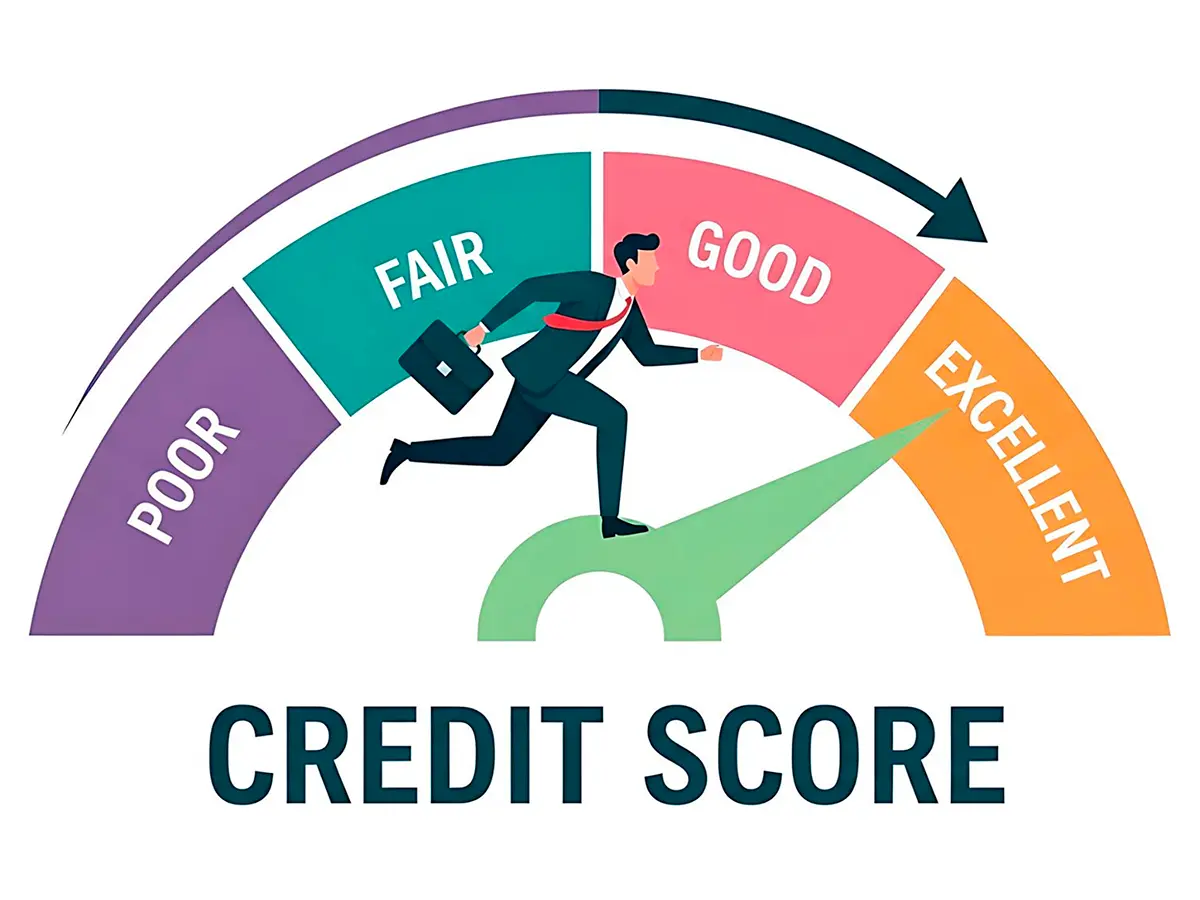
Built around established U.S. credit reporting practices and dispute procedures under the Fair Credit Reporting Act (FCRA). No unrealistic promises—just clarity, documentation, and structured credit improvement.
Unlock more options
Choose the outcome you care about. We’ll outline what improves it—and what to watch for—so you can move forward with confidence.
Your path to stronger credit
A stronger credit profile can mean better approval odds, improved loan terms, and more financial flexibility. Get a clear, no-fluff overview of what credit improvement can help you achieve — then take the next step when you're ready.
Credit decisions in the U.S. are typically influenced by payment history, utilization ratios, account age, recent inquiries, and the accuracy of reporting across major credit bureaus.
Even small inconsistencies can affect lending algorithms. A structured credit improvement approach focuses on verified data, responsible usage patterns, and consistent financial behavior.
*Results vary. This page does not guarantee outcomes.
How it works
A straightforward workflow used by reputable credit‑support programs: review, challenge what’s questionable, and build stronger habits while updates are processed.

Review your starting point
Clarify your goal and look at what’s currently affecting approvals and terms.

Identify what can be challenged
See what information is typically needed, what to expect next, and how the workflow usually looks.

Move forward
Continue to explore available options and take the next step toward better credit outcomes.
credit repair lawyers in california: timing your next move
Credit issues rarely wait for a convenient moment. If a mortgage preapproval, job screening, or security clearance is on the horizon, choosing whether to involve counsel - and choosing when - can shift outcomes. The aim isn't magic deletions; it's targeted corrections, leverage with collectors, and clean records before key dates.
What a lawyer can change - and what they can't
Attorneys use the Fair Credit Reporting Act (FCRA), the Fair Debt Collection Practices Act (FDCPA), and California's Consumer Credit Reporting Agencies Act and Rosenthal Act. Results vary by file, but a focused legal approach often raises the stakes for bureaus and collectors.
- Draft and escalate disputes citing statute and evidence, not just template letters.
- Force debt validation and stop unlawful collection conduct; seek damages when violations occur.
- Address mixed files and identity theft with affidavits, police reports, and rapid blocking requests.
- Negotiate settlements tied to accurate reporting updates; true "pay-for-delete" is limited and never guaranteed.
- Confirm that accurate, timely negatives generally must remain; no one can lawfully scrub valid history.
Decision timing: call now or wait?
Some issues can be solved with DIY disputes; others benefit from counsel before clocks run out. If uncertainty lingers, a short consultation can prevent missteps.
- Call now if a lawsuit is filed or threatened, identity theft is ongoing, or a high-stakes deadline (home loan, clearance) sits within 60 - 120 days.
- Call soon if bureaus verified items you disputed with proof, or if accounts look "re-aged" (dates don't match reality).
- Maybe wait if errors are minor, timelines are generous, and you haven't yet pulled all three reports and disputed in writing.
- Action matters: the earlier you document, the stronger your paper trail becomes if litigation is needed.
Deadlines and California nuances
Credit bureaus generally have 30 days to investigate disputes (sometimes 45 if you add documents midstream). Most negative information falls off after about seven years; a Chapter 7 bankruptcy can report for up to ten. California adds extra consumer protections under the CCCRAA and Rosenthal Act, and identity theft victims have enhanced paths to block fraudulent tradelines. Nationally, paid medical collections and many under-$500 medical debts may no longer appear - worth checking before you negotiate.
- Pull free reports from all three bureaus (via annualcreditreport). Highlight each error with dates and documents.
- Keep a log: who you contacted, when, and how the furnisher or bureau replied.
- Freeze credit and place fraud alerts if identity theft is suspected; file a police report when appropriate.
- Set a target date (e.g., rate lock window) and work backward to decide whether attorney escalation is prudent.
A brief real-world moment
In Los Angeles, a nurse preparing to refinance found two collections that weren't hers. She filed disputes, then added new records mid-review; the timeline stretched, risking her rate lock. A credit repair lawyer stepped in, cited mixed-file provisions, pressed the furnisher for validation, and secured deletions before the lock expired. Not every case resolves that neatly, but the timing shift proved decisive.
Fees vary (flat, hourly, or hybrid), and outcomes can't be promised. The practical rule: if a meaningful financial decision is within months and DIY traction is slow, measured legal pressure - applied now rather than later - often protects options. If the horizon is longer and errors are few, start with precise disputes, monitor, and escalate only if the clock starts working against you.
We are a real law firm with more than 35 years' experience in litigation, especially with lawsuits involving California's Credit Reporting Law.
Find California Credit Repair lawyers, attorneys, law firms - CA Credit Repair Lawyers.
California Has 51 Credit Repair Attorneys with 444 Reviews - Michael Frederick Cardoza - Sara Fatehmeh Khosroabadi - Ben Edward Dupre - Jeremy Scott Golden.
Frequently asked questions
A clear next step — without the guesswork
See what’s impacting approvals and what may deserve a closer look.
Understand how disputes are structured and what documentation matters.
Improve utilization, consistency, and long-term credit stability.
See what improving your credit could change
Take a structured next step based on your current profile — and decide with clarity.